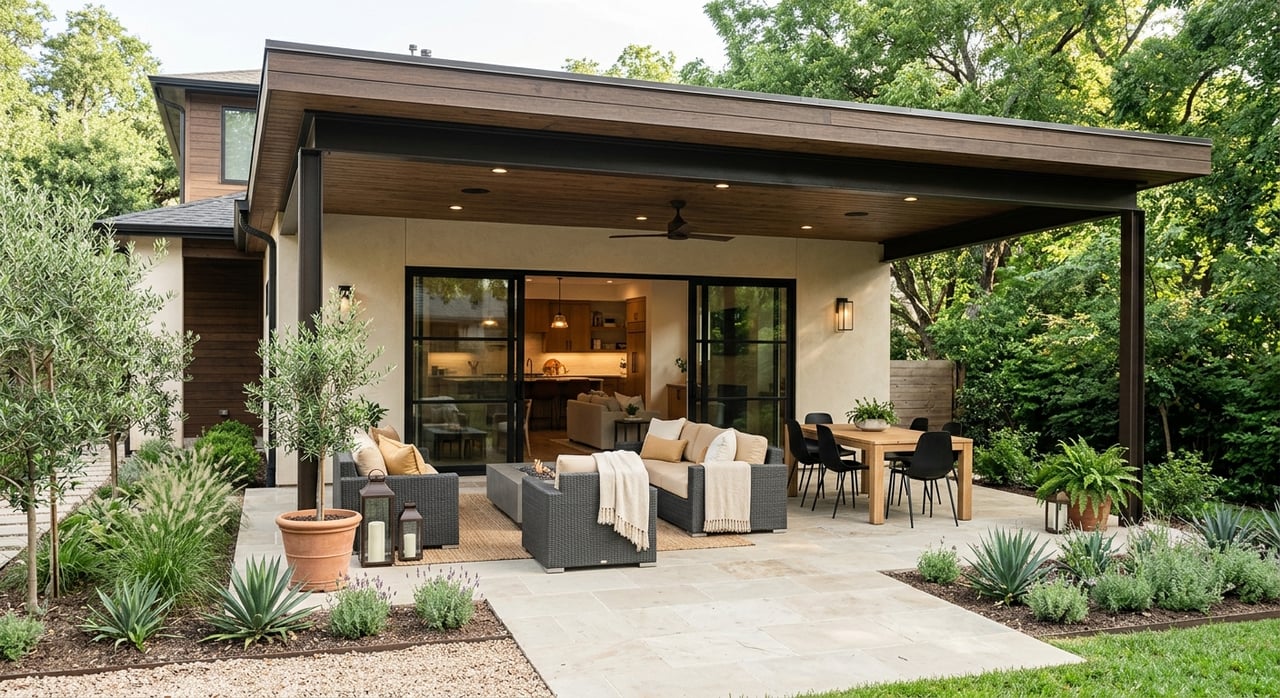
If you want multiple offers on your San Jose home, hope is not a strategy. In a market where some homes move quickly and sell above list while others sit or take price cuts, the difference often comes down to preparation. If you are thinking about selling, this guide will show you how to get your home market-ready, price it with discipline, and launch in a way that attracts serious buyers. Let’s dive in.
San Jose Market Still Rewards Preparation
San Jose still shows the kind of buyer competition that can support multiple offers when a home is positioned well. Redfin’s May 2026 data shows San Jose averaging 3 offers, 13 days on market, and a 103.6% sale-to-list price ratio. Santa Clara was even stronger at 4 offers, 12 days on market, and 105.2% sale-to-list.
That said, not every Bay Area submarket behaves the same way. Berkeley has been more aggressive, while Hayward has shown more price sensitivity and longer market time. For you as a San Jose seller, that means local strategy matters more than broad headlines.
San Jose’s official Q1 2026 housing update reported a single-family median sales price of $1.744 million and an average of 15 days on market. The same report referenced a 6.38% benchmark for a 30-year fixed mortgage, which is a reminder that affordability still affects buyer behavior. Even in a competitive market, buyers tend to respond best when value and presentation are clear.
Start Earlier Than You Think
A rushed listing can leave money on the table. Zillow’s 2025 seller survey found that the median seller spends 3 to less than 4 months seriously thinking about selling before listing. That timeline makes sense in San Jose, where the best results often come from a staged, deliberate prep plan.
If your goal is to create strong early demand, you want the home ready before the first public showing. That means your repairs, cleaning, staging, disclosures, and marketing materials should be handled upfront rather than patched together after the home hits the market.
This is where a hands-on selling plan can make a big difference. When prep is managed well, you reduce last-minute stress and give buyers a cleaner, more confident first impression.
Focus on What Buyers See First
Most buyers start their home search online. Zillow reports that 96% of prospective buyers search online, which means your digital first impression matters almost as much as the in-person one. If your photos or video are weak, some buyers may never schedule a showing.
That is one reason staging still matters. In the 2025 NAR staging report, 83% of buyers’ agents said staging makes it easier for buyers to visualize a property as their future home. Buyers’ agents also rated photos, traditional staging, videos, and virtual tours as important parts of marketing.
The rooms that matter most are usually the living room, primary bedroom, and kitchen. If you are deciding where to spend time and money, start there. These spaces tend to shape the emotional reaction buyers have when they first encounter your home online and in person.
Build a Show-Ready Home
Strong presentation is usually simple, but it takes discipline. Before photography and showings, your home should feel clean, bright, and easy to understand. Buyers should be able to focus on the space itself, not on clutter, deferred maintenance, or distracting personal items.
A practical pre-list plan often includes:
- Decluttering each room
- Deep cleaning surfaces, floors, windows, and baths
- Completing minor repairs
- Refreshing key finishes if needed
- Staging major living spaces
- Scheduling photos and video only after the home is fully ready
This kind of front-loaded preparation supports the conditions that often lead to stronger buyer interest. It also helps your listing look polished from day one, which is when the first wave of demand is usually strongest.
Consider a Pre-Sale Inspection
A pre-sale inspection is not required, but it can be useful. According to NAR’s consumer guidance, it may identify issues you can repair before listing rather than discovering them later during escrow. That can help reduce surprises when buyers are comparing your home with other options.
Typical pre-sale inspections review the structure, roof, plumbing, electrical, HVAC, interiors, insulation or ventilation, and fireplaces. They may also surface concerns such as mold, radon, lead paint, or asbestos. Knowing what may come up ahead of time gives you more control over repairs, pricing, and negotiation.
For sellers who want a smoother process, this step can be especially helpful. It gives you a clearer picture of condition and can make your sale package feel more complete and transparent.
Price for Demand, Not Ego
Many sellers assume a hot market gives them room to overreach on price. In reality, pricing too high can weaken the first burst of interest that helps generate multiple offers. Even in May 2026, Redfin data showed notable price-drop shares in both San Jose and Santa Clara.
San Jose had a 28.2% price-drop share, while Santa Clara was at 23.2%. That suggests buyers are still reacting quickly when a home feels overpriced. If you miss the mark at launch, you may lose momentum and end up chasing the market instead of leading it.
A smart pricing strategy aims to attract the widest pool of serious buyers early. In many cases, that means focusing on market response, not just your aspirational number. The best multiple-offer outcomes often start with pricing that invites action.
Time Your Launch to Local Demand
Listing timing is not one-size-fits-all. Zillow’s 2026 analysis identified the first two weeks of February as the strongest listing window for San Jose. National studies pointed to different peak weeks, but the bigger lesson is clear: local demand patterns matter more than generic national advice.
If you are planning a sale, the right launch window depends on both market conditions and your readiness. A perfectly timed listing that is not fully prepared may still underperform. A well-prepared listing launched into active buyer demand is usually the better formula.
Think of timing and preparation as partners. You want the home ready to meet the market at its strongest point, not rushed out simply because a date looked appealing on paper.
Get Disclosures Ready Early
In California, disclosure preparation is a major part of a smooth sale. The state’s Transfer Disclosure Statement rules apply to most single-family residential sales, and waivers are void. The seller must deliver the completed disclosure as soon as practicable before transfer of title.
California’s Natural Hazard Disclosure law also covers mapped flood, inundation, very high fire hazard severity, earthquake fault, seismic hazard, and wildland fire areas. The law notes that these maps are estimates, not definitive indicators of whether a property will be affected.
If your home was built before 1978, federal lead-based paint disclosure rules apply before sale. Getting these items assembled early can help prevent delays and reduce friction once buyers start reviewing offers. In a multiple-offer situation, a complete disclosure package can support buyer confidence.
Evaluate Offers Beyond Price
When offers come in, the highest number is not always the best outcome. NAR guidance notes that price is only one part of an offer. Financial terms, contingencies, closing timeline, and earnest money all matter.
For example, a slightly lower offer with fewer contingencies or a stronger deposit may deliver a more certain result than a higher offer with more risk. A quick close may matter if you want speed. A cash offer may appeal if you want less financing uncertainty.
Buyers may also use escalation clauses where allowed. Sellers can accept one offer, counter one offer, or invite all buyers to submit their best terms. Because a counteroffer voids the original offer, you want to be clear and strategic before responding.
What Creates Multiple-Offer Energy
In San Jose, multiple offers usually happen when several pieces line up at once. The home needs to present well, feel appropriately priced, and launch with clean marketing and a strong disclosure package. When that happens, buyers can move quickly and compete with confidence.
A simple way to think about it is this: buyers compete hardest when the home feels move-in ready, easy to understand, and fairly positioned for the market. If they sense condition issues, weak pricing discipline, or incomplete information, that competitive energy can fade.
That is why sellers often benefit from a concierge-style process. With the right prep, staging coordination, and negotiation strategy, you can create a better first impression and improve your odds of attracting strong terms.
A Simple Prep Checklist
If you are getting ready to sell your San Jose home, use this checklist as a starting point:
- Start planning several months before listing
- Declutter and deep clean the entire home
- Repair visible issues before photography
- Focus staging on the living room, primary bedroom, and kitchen
- Complete photos and video only when the home is fully show-ready
- Review whether a pre-sale inspection makes sense
- Assemble disclosures early
- Price based on local demand and comparable positioning
- Match your launch timing to San Jose market conditions
- Review offers based on certainty and net outcome, not just headline price
Selling well in this market is rarely about one magic trick. It is about thoughtful preparation, disciplined execution, and knowing how buyers respond in real time.
If you want a more tailored plan for your home, including prep strategy, renovation guidance, staging coordination, and offer positioning, connect with Sanjay Mitra to schedule a consultation.
FAQs
What does it take to get multiple offers on a San Jose home?
- Multiple offers usually depend on strong presentation, disciplined pricing, a complete disclosure package, and a launch that matches local buyer demand.
How fast are homes selling in the San Jose market?
- Redfin’s May 2026 data showed San Jose homes averaging 13 days on market, while San Jose’s Q1 2026 housing update reported an average of 15 days on market for single-family homes.
Which rooms matter most when staging a San Jose home for sale?
- According to the 2025 NAR staging report, the living room, primary bedroom, and kitchen are among the most important rooms to stage.
Should you get a pre-sale inspection before listing a San Jose home?
- A pre-sale inspection is not required, but it can help identify issues before listing so you can make repairs or prepare for buyer questions.
How should sellers compare multiple offers on a San Jose property?
- Sellers should look at price, contingencies, earnest money, financing strength, and closing timeline because the strongest offer is not always the one with the highest price.
What disclosures are important when selling a San Jose single-family home?
- California sellers typically need to complete a Transfer Disclosure Statement, provide Natural Hazard Disclosure information, and, if the home was built before 1978, comply with lead-based paint disclosure rules.