Walk down First Street past Lions Wayside Park and you'll pass a blue and white Victorian built in 1895, the kind of house with a turret roofline, a deep wraparound porch, and gingerbread trim that stops people mid-stride. A few blocks over on Neal Street sits a Queen Anne bungalow where you can still find hatchet marks in the redwood siding from the day it was framed. These are not staged photos. They're working houses, people's actual homes, inside Pleasanton's Downtown Specific Plan area, the roughly nine-block core the city has spent decades protecting.
You'd expect a neighborhood like this, walkable to Main Street, minutes from the Saturday farmers market and the summer concert series at Wayside Park, to be the fastest-moving, most fought-over real estate in the city. It isn't. As of August 2026, Downtown Pleasanton homes were selling for a median around $1.2 million, down 10.8 percent from the same period a year earlier, and sitting on the market for about 53 days on average, up from 44 days last year. That's slower than the city as a whole, which posted a median near $1.5 million over the same three-month window and moved in about 29 days. It's dramatically slower than newer subdivisions across town, where homes are changing hands in less than two weeks.
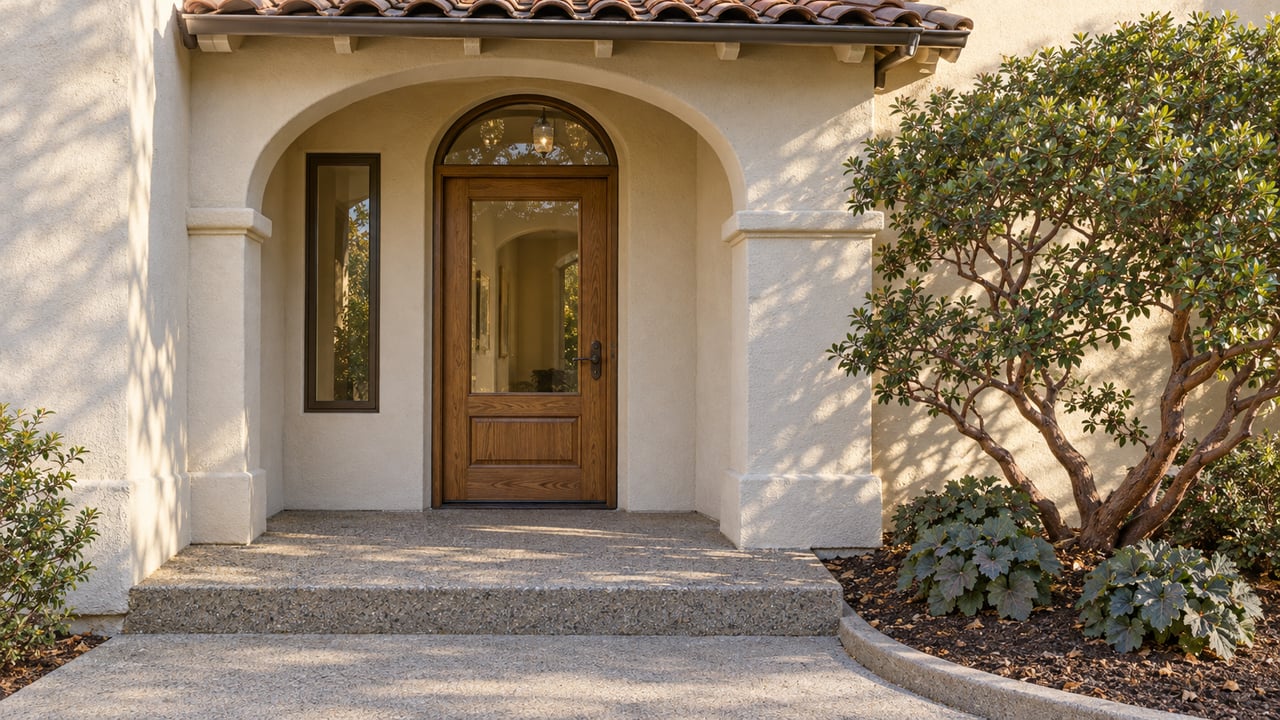
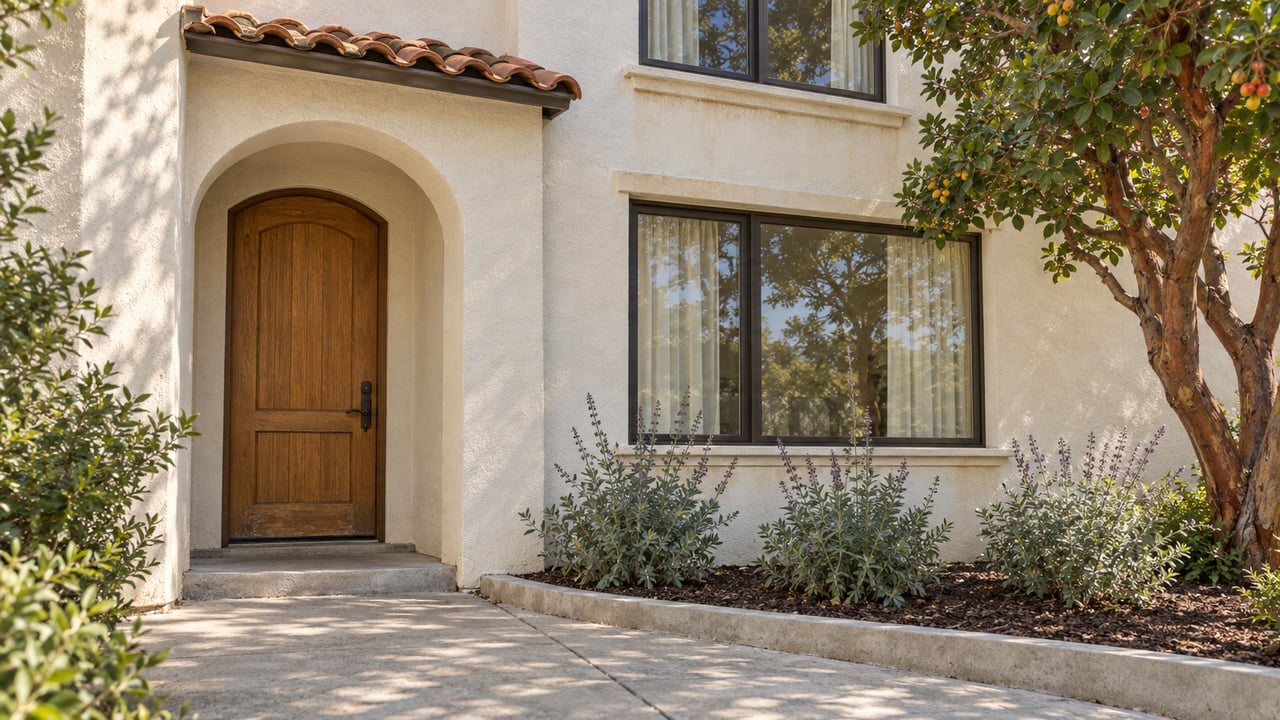
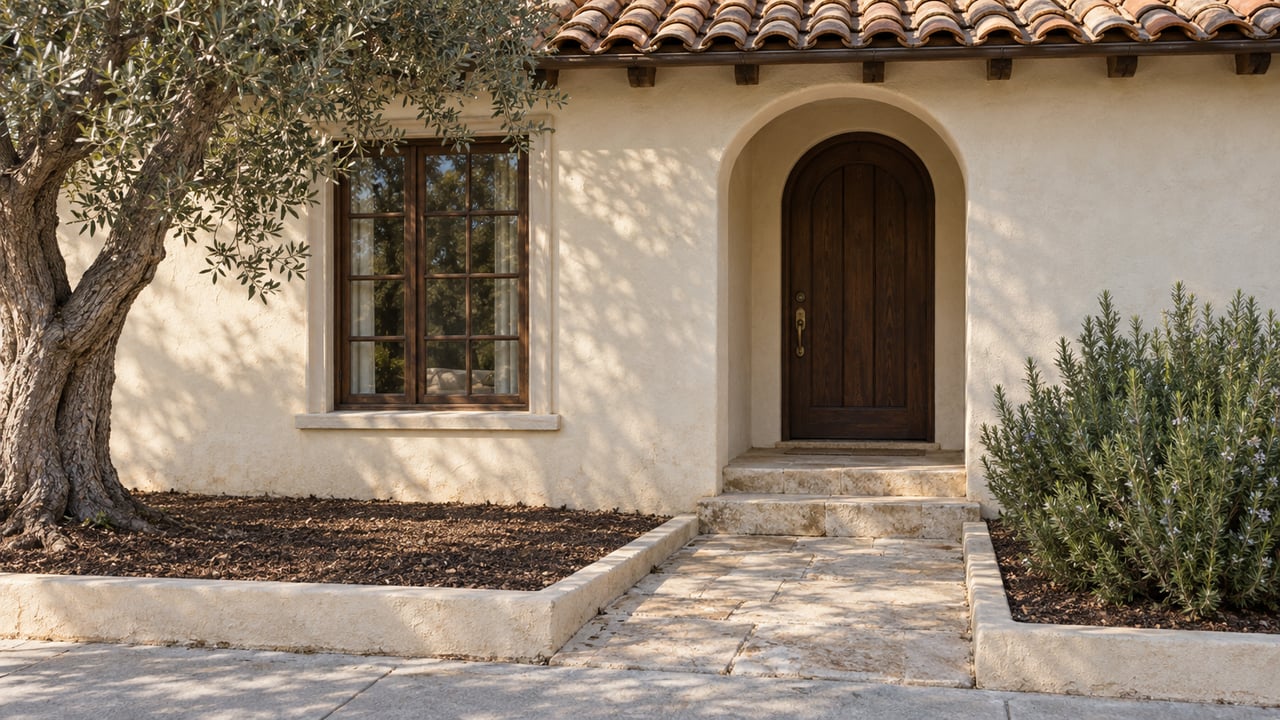
Historic character and preservation rules help explain the pace of downtown’s market while shaping what buyers can change.
The Three Speeds of Pleasanton's Market
Pleasanton isn't one market this year. It's three, running at three different speeds, and the gap between them tells you more about what you're buying than the median price alone ever could.
| Neighborhood | Reporting Window | Price | Change vs. Prior Year | Typical Time on Market |
|---|---|---|---|---|
| Downtown Pleasanton | 3 months ending Aug. 2026 | $1.2M median | down 10.8% | 53 days |
| Pleasanton (citywide) | 3 months ending Aug. 2026 | $1.5M median | down 8.1% | 29 days |
| Pleasanton Valley | 3 months ending June 2026 | $1.8M median | up 0.4% | 12 days |
| Ruby Hill | Most recent reported month, 2026 | $4.02M average | up 27.0% | 14 days |
A separate portal's August 2026 snapshot puts Downtown's median closer to $1.47 million with a 37-day average, a reminder that with so few transactions in a nine-block historic core, monthly figures swing depending on which handful of houses closed. Only six homes sold downtown in August 2026, down from ten a year prior. When your entire sample size for the month fits in a minivan, a 10 percent swing isn't a trend line, it's two houses.
That's the first thing worth separating out. The volatility in Downtown's numbers is partly a small-sample artifact. But the days-on-market gap is not. Fifty-three days versus twelve is too consistent, and too wide, to be noise. Something structural is slowing these houses down, and it isn't the wallpaper.
How Historic Review Shapes Exterior Changes
The Pleasanton Weekly reported that the City conducted a formal historic resource survey of the Downtown Specific Plan area, evaluating homes built before 1942 for architectural and historical significance. The City of Pleasanton's historic-preservation guidance identifies 88 structures as historic resources, with three more previously designated through earlier surveys, bringing the recognized total to 91 homes inside the downtown core.
That designation isn't a plaque and a pat on the back. Under the city's Downtown Specific Plan Policies and Design Guidelines, any addition or exterior modification to one of these homes has to comply with the Secretary of the Interior's Standards for Rehabilitation, the same federal preservation framework used on national landmark projects.
In a Pleasanton Weekly report, Linda Garbarino, president of the Pleasanton Heritage Association, said: "We're really the temporary caregivers of historic homes that we know we'll pass on to the next generations."
That stewardship is the purpose of the review process, and it has a practical consequence for anyone planning changes. The street-facing exterior of a designated home is largely settled before the first sketch is drawn, so a larger kitchen window or a new roofline has to be weighed against that from the start.
Renovation Considerations for Downtown Buyers
Homes built before 1942 come with the usual century-old-house friction: original wiring that predates modern electrical code, plumbing that hasn't been touched since the Truman administration, no central air because central air wasn't standard yet. None of that is unique to Pleasanton. Downtown renovations also involve a preservation review process, so buyers can factor that process into contractor planning.
That doesn't mean the interior is frozen in amber. Redfin reports that one downtown property completed a fully finished, attached ADU in 2025, built with a private entrance. The ADU had its own kitchen.
The Trade Every Downtown Buyer Is Actually Making
Set next to Pleasanton Valley's twelve-day turnaround or Ruby Hill's gated, golf-course pace, Downtown's 53 days starts to look less like weak demand and more like a longer, more deliberate buyer funnel. The people willing to take on a pre-1942 house with a preservation overlay are a smaller pool than the people who want a five-bedroom floor plan in a newer subdivision. Smaller pool, longer search, more time on market. The house isn't unwanted. It's waiting for the right kind of buyer to find it, which simply takes longer than waiting for any buyer at all.
For a seller, that math changes the entire pricing and marketing conversation. A downtown Craftsman priced and marketed like a standard resale will sit exactly as long as the data suggests, because it's being shown to the wrong audience for most of that window. Priced and marketed as what it actually is, a pre-scoped renovation opportunity with a clear map of what's changeable and what isn't, it can move through that smaller buyer pool much faster.
Before writing an offer on a home inside the Downtown Specific Plan area, it's worth confirming three things directly with the city's Planning Division:
- Whether the specific address is on the 91-property historic resource list or sits just outside the boundary
- Which elements of the exterior are protected under the Downtown Design Guidelines versus open to modification
- Whether recent permit history at the property (additions, ADUs, mechanical upgrades) shows what the city has actually approved nearby, not just what the code theoretically allows
That context can help buyers judge how a proposed project might fare in the review process.
A Few Questions That Come Up Often
Does every home in downtown Pleasanton have historic designation? No. Only the 91 structures identified through the city's Historic Resource Survey carry the designation, and it applies specifically within the Downtown Specific Plan boundary. A home a few blocks outside that line, even if it's old, may not carry the same review requirements. Confirming status with the city is a five-minute call that saves weeks of assumption.
Is the price drop downtown a sign the neighborhood is falling out of favor? Not on this evidence. With only a handful of sales closing each month in a nine-block core, year-over-year percentage swings are sensitive to which specific houses happened to sell. The more reliable signal is the days-on-market gap against the rest of the city, which points to a longer buyer search, not a shrinking one.
If you're weighing a character home downtown against a faster-moving listing across town, or you're sitting on a pre-1942 property and trying to figure out what a buyer's contractor will actually be allowed to change, that's exactly the kind of question worth working through before you're locked into a timeline. Sanjay Mitra spent years on the construction side before real estate, and knows how to read a historic-preservation file the way most agents read a comp sheet. Schedule a consultation before you write the offer, not after the inspection turns up the surprise.
This article is general information, not legal, tax or financial advice. Consult a qualified professional about your situation.