Selling your Pleasanton home while juggling work, school schedules, activities, and everyday life can feel like a second full-time job. The good news is that getting a home market-ready usually does not mean taking on a full remodel. With the right sequence, you can focus on the updates that matter most, avoid last-minute stress, and get your home ready for photos and showings with less disruption. Let’s dive in.
What Market-Ready Means in Pleasanton
For most Pleasanton family sellers, market-ready means clean, decluttered, neutral, repaired, and photo-friendly. It is less about a major renovation and more about helping buyers clearly see the space and imagine living there.
That matters because presentation shapes first impressions early. According to the 2025 staging guidance referenced in the research, 83% of buyers’ agents said staging helps buyers visualize a home as their future home, and staged homes are often seen as selling faster and sometimes for more.
If your schedule is packed, the smartest plan is to follow a simple order: declutter first, fix obvious issues second, deep clean next, then stage and photograph. That sequence helps you avoid doing work twice and makes each step easier.
Start 4 to 6 Weeks Before Listing
Declutter Room by Room
Start with the rooms your family uses most. Focus on clearing surfaces, trimming down furniture, and removing anything that makes a room feel crowded.
Packing away personal photos, extra toys, off-season clothes, and rarely used kitchen items can make a big difference quickly. Closets should look organized and only partly full so the home feels more spacious.
Decide What to Keep, Donate, or Dispose Of
A busy household can lose time fast by moving piles from one room to another. Instead, sort items into a few simple categories:
- Keep for your next home
- Donate or give away
- Recycle
- Dispose of
For Pleasanton sellers, this step can be easier when you use local cleanout options strategically. StopWaste recommends donation and reuse for working items, along with item-specific disposal and recycling options for things like mattresses and bulky furniture.
Gather Home Documents Early
At the same time, start a folder for the home. Collect appliance manuals, warranties, service records, and receipts for any systems or items that will stay with the property.
This small step can save time later. It also helps you answer buyer questions more smoothly and reduce delays as your sale moves toward closing.
Tackle Repairs 2 to 3 Weeks Before Listing
Fix the Issues Buyers Notice Fast
You do not need to repair every minor flaw in the house. But you should address the small problems that can make buyers wonder whether larger maintenance has been ignored.
That often includes items like:
- Leaks under sinks
- Loose faucets
- Rocking toilets
- Sticking doors
- Burned-out light bulbs
- Damaged trim or hardware
These details may seem small, but they can affect how buyers feel about the home during a showing.
Consider a Pre-List Inspection
A pre-list inspection is not required, but it can help reduce surprises. It may identify issues with the roof, plumbing, electrical systems, heating and air conditioning, interiors, insulation, exterior elements, or other conditions that could come up later.
For busy families, the value is often clarity. You get a chance to understand what might concern buyers before the home goes live, and you can decide whether to repair, disclose, or price accordingly.
Coordinate Repair Decisions Carefully
If an inspection reveals a larger issue, avoid making rushed decisions. This is where clear strategy matters.
For some homes, a targeted repair makes sense. For others, gathering estimates and planning your pricing and disclosure approach may be the better move. A seller with construction-savvy guidance can usually evaluate these choices more efficiently and with less guesswork.
Use Pleasanton Logistics to Save Time
Know When Permits May Apply
If you are considering repairs or upgrades before listing, check whether a permit is required. Pleasanton’s Permit Center handles development-related permits, and the city states that building permit applications are submitted electronically through Accela.
The city also notes that inspections can be scheduled online, by text, or by phone. Construction in Pleasanton is generally limited to Monday through Saturday from 8 a.m. to 8 p.m., with Sunday and holiday work requiring limited preapproval.
Plan Bulky Pickup in Advance
If your garage, side yard, or spare rooms are full, schedule disposal early. Pleasanton single-family residents can arrange three on-call bulky item pickups per year.
The city and hauler materials say to call 7 business days in advance, place items at the curb by 6 a.m., and set them out within 24 hours of pickup. Accepted items include furniture, carpets, mattresses, tires, white goods, brown goods, and e-waste.
Separate Hazardous Waste
Not everything belongs in curbside bins. StopWaste says paint, chemicals, electronics, and motor oil should be handled separately.
Alameda County residents can drop off household hazardous waste at HHW facilities for free, with no appointment needed. If you are clearing out a garage or utility area, this can be an important part of your listing prep timeline.
Deep Clean 1 Week Before Photos
Focus on What Buyers See First
As your listing date gets closer, shift from sorting to presentation. Deep clean the surfaces buyers notice most, especially windows, walls, floors, lighting fixtures, kitchen counters, bathroom counters, doors, and handles.
A clean home reads as better maintained. It also photographs better, which matters because many buyers form their first opinion online.
Refresh Curb Appeal
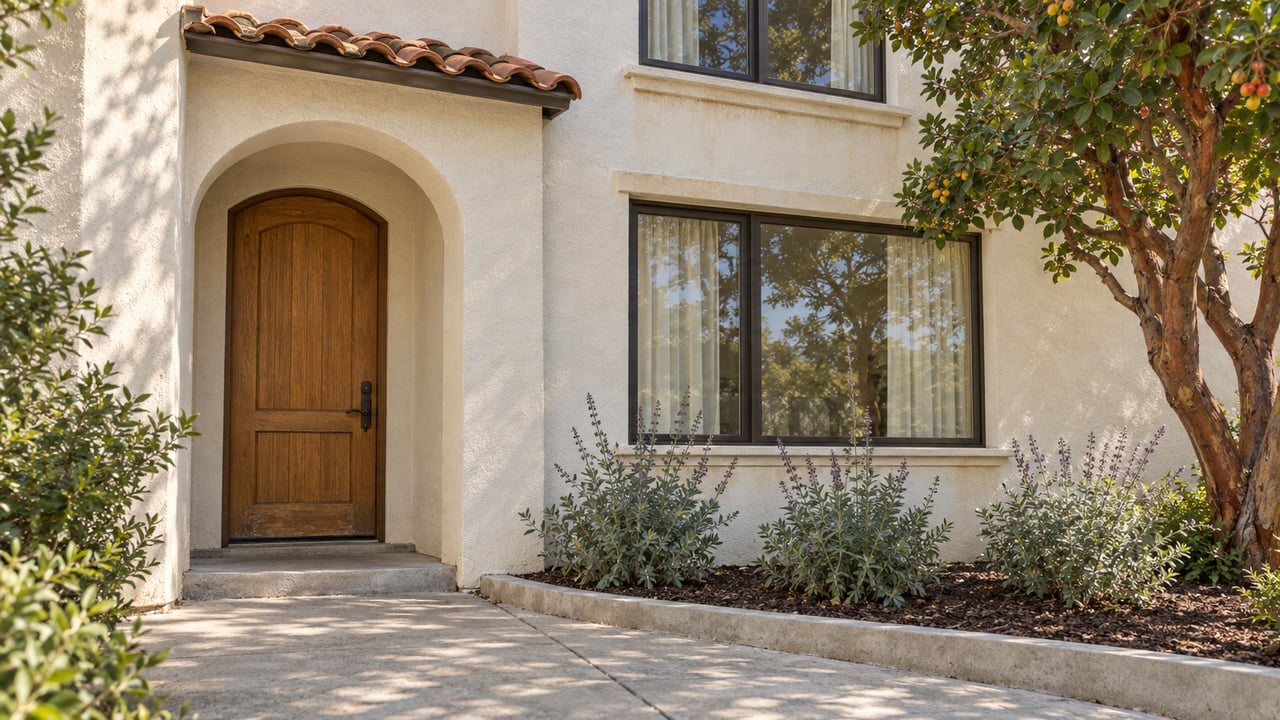
You do not need an elaborate landscape project to improve first impressions. Simple steps like tidying the front entry, refreshing landscaping, and touching up worn paint can help the home look more polished in person and in listing photos.
For family sellers with limited time, this is one of the highest-impact areas to prioritize. Buyers see the exterior before they see anything else.
Simplify Daily Living Before Showings
Occupied homes need a realistic plan, not perfection. Before photos and showings, aim for a home that feels calm, clean, and easy to understand.
A simple checklist can help:
- Clear kitchen and bath counters
- Put away toys and pet items
- Make beds
- Organize the refrigerator front and visible shelves
- Remove trash
- Neutralize strong odors
- Store personal items out of sight
Schedule Photos After the Home Is Ready
Finish Prep Before Photography
Professional photos should come after decluttering, cleaning, and staging are complete. That timing matters because buyers often discover homes online first, and listing photos are one of the most useful tools in their search.
The research report notes that 52% of buyers found the home they purchased online, and 81% rated listing photos as the most useful feature in their online search. In other words, your photos are not a final detail. They are a core part of your launch strategy.
Set a Final Photo-Day Standard
Right before the photographer arrives, keep the standard simple and repeatable. Beds should be made, counters should be clear, surfaces should be wiped down, trash should be removed, and personal items should be put away.
This is especially helpful for busy families because it creates a manageable target. You are not trying to create a perfect magazine set. You are creating a clean, consistent presentation that holds up both online and in person.
Don’t Leave Disclosures Until the End
Prepare Disclosure Paperwork Early
In California, residential transfer disclosure laws apply to many single-family residential sales. That means disclosures should be treated as part of your pre-list preparation, not something to scramble through once a buyer appears.
Starting early gives you more time to review the property carefully, gather records, and respond thoughtfully if questions come up.
Review Natural Hazard Disclosures
California’s Natural Hazard Disclosure Statement covers items such as flood hazard areas, dam-failure inundation areas, high and very high fire hazard severity zones, wildland fire areas, earthquake fault zones, and seismic hazard zones.
These disclosures can affect how buyers understand the property and may also relate to insurance, future development, or post-disaster assistance. It is better to address them early than to let them become a last-minute issue.
Check Older-Home Requirements
If your home was built before 1978, federal law requires disclosure of known lead-based paint and lead-hazard information before the sale contract is signed. Sellers must also provide the EPA/HUD lead pamphlet and any available records or reports.
Buyers also receive an opportunity for a lead inspection or risk assessment period under that rule. If your home falls into this category, include it in your checklist from the start.
Watch for New 2026 California Rules
A newer California disclosure requirement takes effect on January 1, 2026. It requires sellers of single-family residential property to disclose any known state or local requirements or restrictions on the future replacement of existing gas-powered appliances that are being transferred with the property.
It is an easy item to miss, especially in a busy sale, so it is worth building into your preparation plan early.
A Simple Pleasanton Checklist
If you want the shortest version of this process, use this workflow:
- Declutter and sort room by room
- Donate, recycle, and schedule disposal
- Gather manuals, warranties, and receipts
- Identify obvious repairs
- Consider a pre-list inspection
- Check permit needs for planned work
- Complete deep cleaning and curb appeal touch-ups
- Finalize staging and simplify surfaces
- Prepare disclosures and supporting records
- Book photography after prep is complete
For most busy families, this approach is more practical than trying to do everything at once. It keeps the process moving and helps you focus on the steps that support a strong launch.
Selling in Pleasanton can be a high-stakes move, especially when you are balancing family life and trying to protect your time. A clear plan, smart prep decisions, and experienced guidance can make the process feel much more manageable. If you want a hands-on strategy for getting your home ready without over-improving, connect with Sanjay Mitra for a personalized consultation.
FAQs
What does market-ready mean for a Pleasanton home sale?
- In most cases, it means the home is clean, decluttered, depersonalized, well-repaired, and ready for photos and showings rather than fully remodeled.
When should Pleasanton sellers start preparing a home for listing?
- A practical timeline is to start 4 to 6 weeks before listing, beginning with decluttering and document gathering, then moving into repairs, cleaning, staging, and photography.
How many bulky item pickups do Pleasanton homeowners get?
- Pleasanton single-family residents can schedule three on-call bulky item pickups per year, with the city materials saying to call 7 business days in advance.
Should a Pleasanton seller get a pre-list inspection?
- A pre-list inspection is optional, but it can help uncover issues early so you can make informed repair, pricing, and disclosure decisions before buyers raise concerns.
What disclosures should California sellers think about before listing?
- Many single-family sales require transfer disclosures, natural hazard disclosures, and for pre-1978 homes, lead-based paint disclosures, with an additional California gas-appliance disclosure requirement taking effect January 1, 2026.