Wondering which home updates are actually worth doing before you sell in Pleasanton? In a market where homes move fast and buyers still notice condition, the right pre-sale improvements can help you stand out without wasting money on projects that do not pay you back. If you want to focus your budget where it can make the biggest difference, this guide will walk you through the smartest update priorities for Pleasanton sellers. Let’s dive in.
Why smart updates matter in Pleasanton
Pleasanton remains a strong seller's market, with a median sale price of about $1.48 million in April 2026, homes averaging 14 days on market, and multiple offers still common. Realtor.com also reports a sale-to-list ratio of 100%, which signals that well-positioned homes are meeting buyer expectations on price.
That said, strong market conditions do not mean you can ignore presentation. The National Association of REALTORS® 2025 remodeling report found that 46% of buyers are less willing to compromise on home condition. In practical terms, buyers in Pleasanton are often willing to pay for homes that feel clean, current, and move-in ready.
Because much of Pleasanton’s housing stock is single-family, sellers often get the best results from updates that improve first impressions, everyday function, and outdoor usability. The data supports a resale-first approach: repair first, refresh second, and upgrade selectively.
Start with curb appeal first
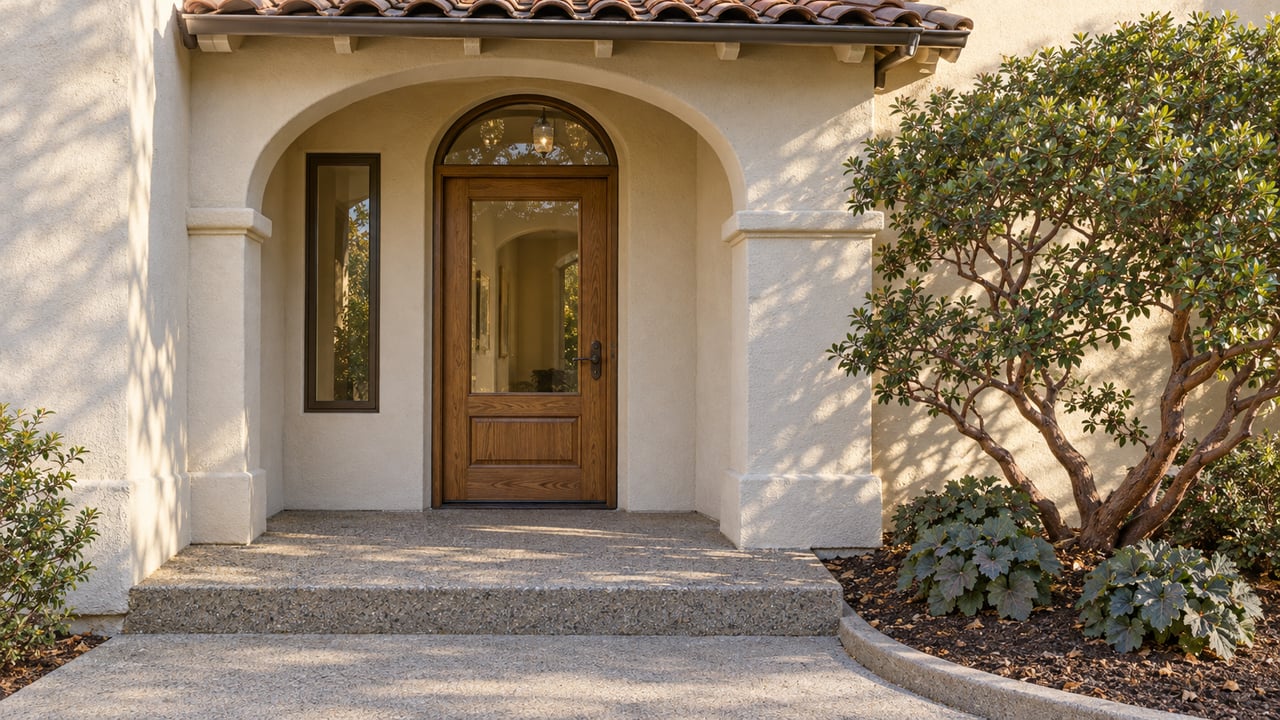
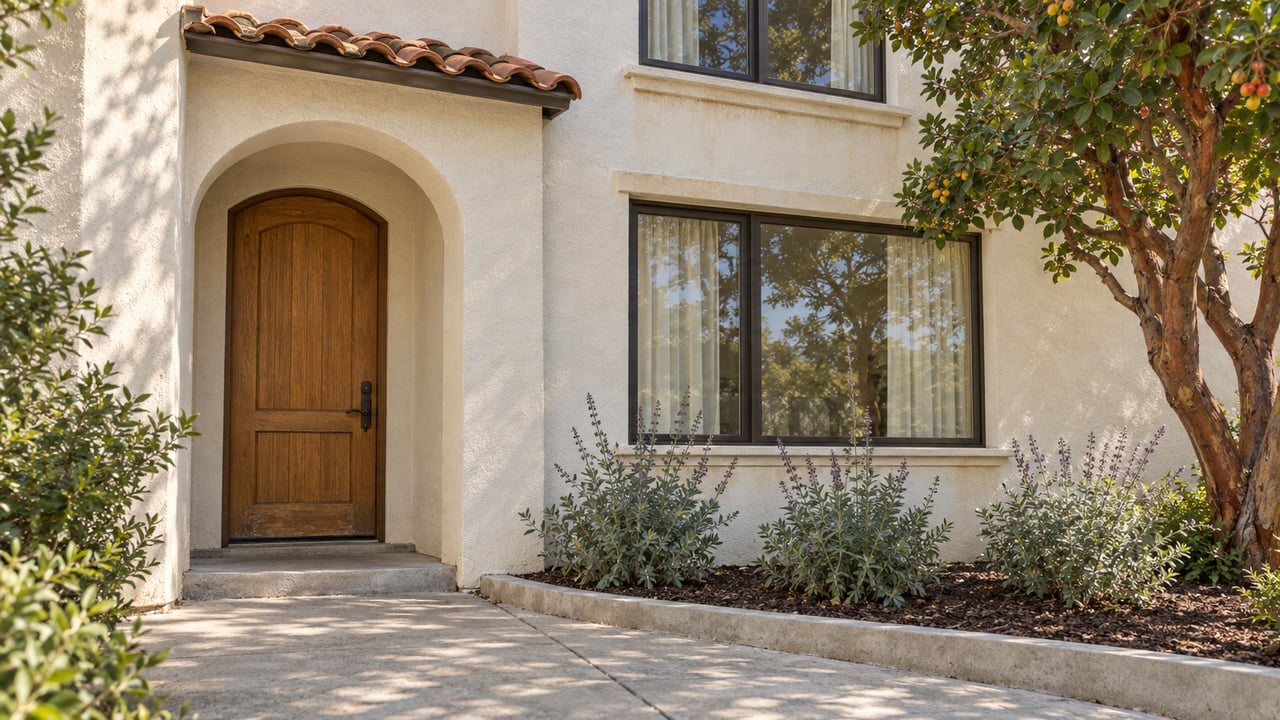
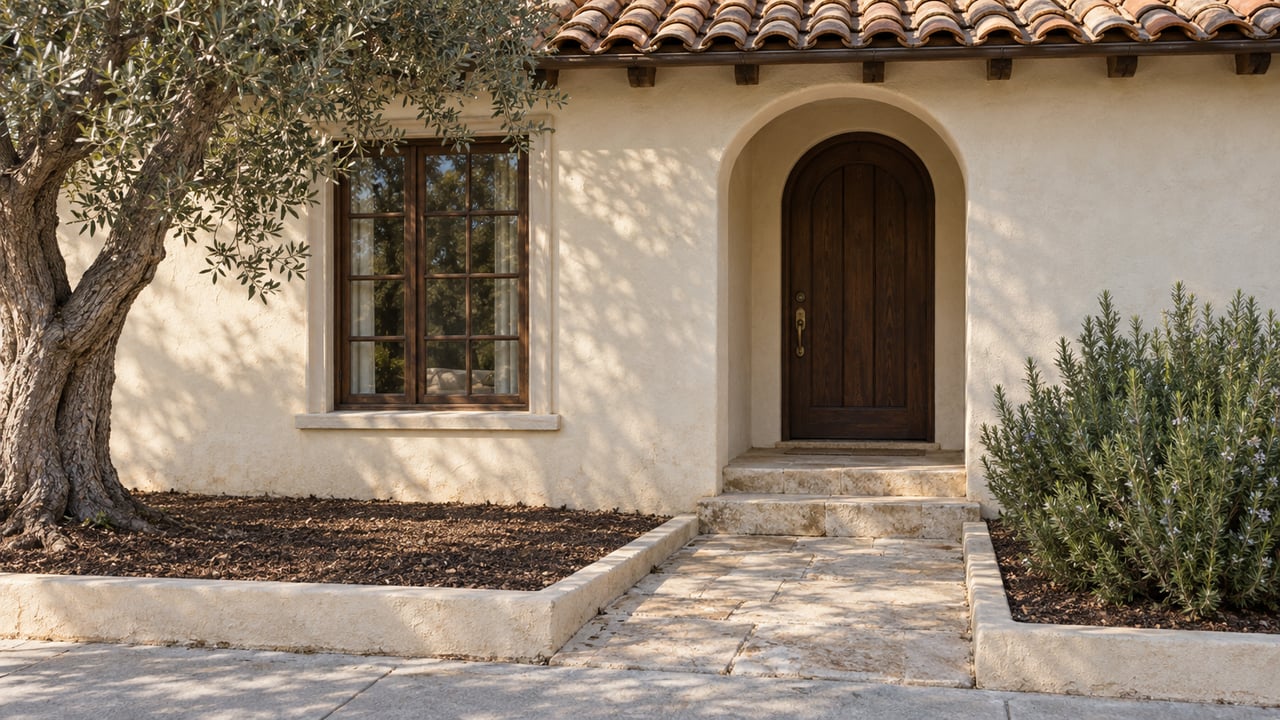
Your exterior sets the tone before a buyer even walks through the front door. NAR reports that 92% of REALTORS® recommend curb appeal improvements before listing, and nearly all say curb appeal matters to buyers.
In Pleasanton, this is especially important because many listings compete on overall polish, not just square footage. If your home looks well cared for from the street, buyers are more likely to feel confident about what they will find inside.
Focus on visible exterior wins
The strongest Pacific-region resale benchmarks point to smaller, high-visibility exterior projects. Garage door replacement, steel entry door replacement, manufactured stone veneer, and fiber-cement siding replacement all posted strong cost recoup figures in the regional data.
That does not mean every seller needs to take on a major exterior project. It means visible improvements often carry outsized impact, especially when they sharpen first impressions and improve listing photos.
High-impact curb appeal ideas
Consider improvements like these before you list:
- Paint areas that show wear or fading
- Refresh the front door if it looks dated or tired
- Replace or repair an aging garage door if it hurts the home's appearance
- Pressure wash walkways, driveway, and exterior surfaces
- Clean up planting beds and add fresh mulch
- Trim overgrown shrubs and remove dead landscaping
- Update exterior lighting for a cleaner, more current look
These projects help your home look maintained and market-ready without pushing you into an expensive overhaul.
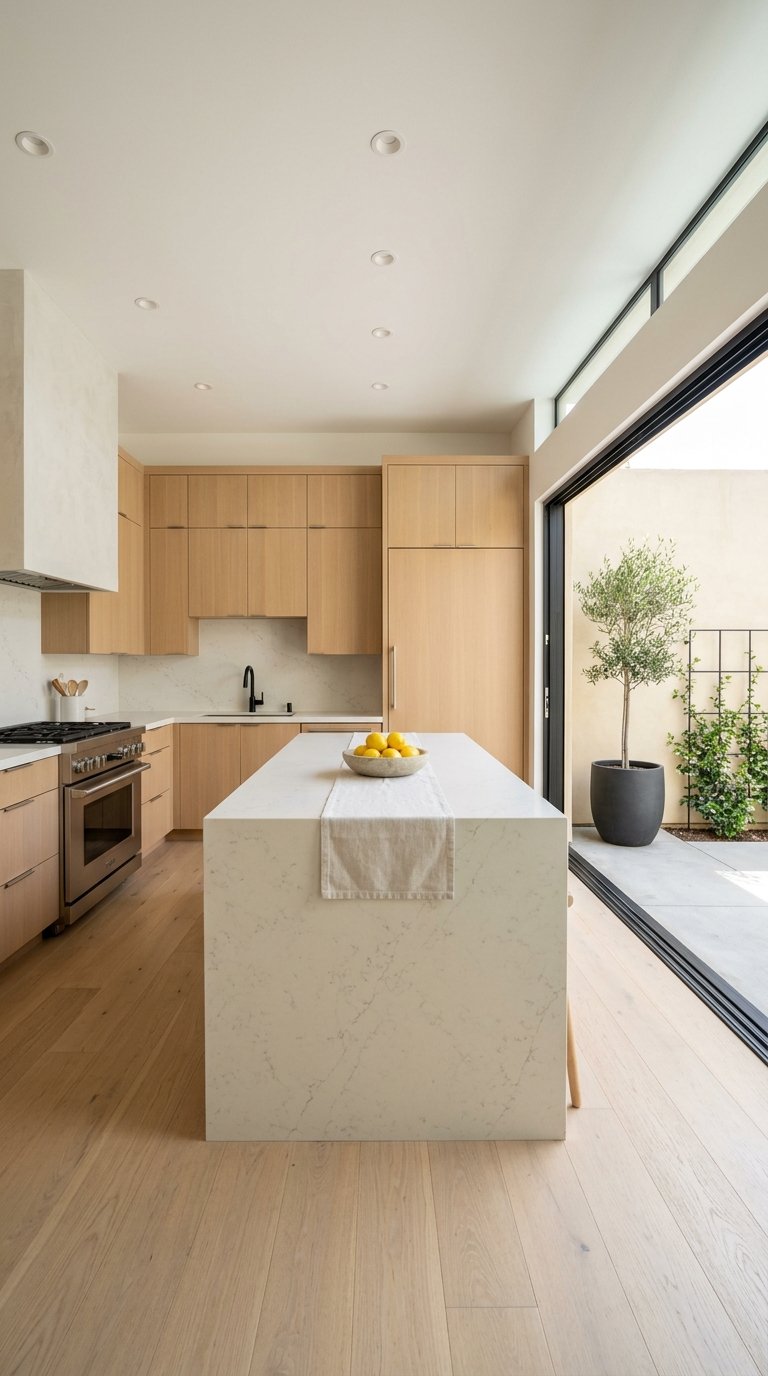
Choose a light kitchen refresh
If one interior space deserves attention before selling, it is usually the kitchen. NAR’s data shows strong buyer interest in kitchen upgrades, and kitchen projects also scored highly for homeowner satisfaction.
But there is an important distinction for sellers: not all kitchen remodels perform equally well. In the Pacific region, a minor kitchen remodel recouped 134.3% of cost, while a major midrange remodel recouped 67.8% and an upscale remodel recouped 54.6%.
For most Pleasanton sellers, that gap is the key takeaway. A modest refresh often makes more financial sense than a full custom renovation.
What a smart kitchen update looks like
You do not need to create a magazine-cover kitchen to attract buyers. You need a kitchen that feels bright, functional, and updated enough that buyers do not immediately add a renovation budget in their heads.
The most practical improvements are usually cosmetic and restrained. Think clean finishes, simple upgrades, and repairs that remove visible wear.
Kitchen updates worth considering
A pre-sale kitchen refresh may include:
- Fresh paint in a neutral tone
- New cabinet hardware
- Updated light fixtures
- Repaired cabinet doors or drawer fronts
- Touch-up work on worn surfaces
- A simple, consistent finish palette
- Deep cleaning, including grout, appliances, and hard-to-reach areas
If your kitchen is seriously outdated or has functional issues, a broader scope may be worth discussing. But for many Pleasanton homes, a lighter refresh delivers the better balance of cost and resale impact.
Improve interior condition buyers notice fast
You do not need to renovate every room to make your home feel more compelling. Buyers often react most strongly to the basics they can see right away: paint, flooring condition, lighting, and deferred maintenance.
This is where seller prep can quietly protect your price. When obvious issues pile up, buyers may assume there are deeper problems behind the walls, even if that is not true.
Prioritize repair before redesign
Before spending on style upgrades, fix anything that looks broken, worn, or neglected. This includes items like damaged trim, sticking doors, cracked switch plates, loose handles, stained caulk, and burned-out bulbs.
That sequence matters because repairs build confidence. Once the home feels well maintained, cosmetic improvements land much better with buyers.
Best interior refresh priorities
For many Pleasanton sellers, these updates offer strong value:
- Repaint heavily used rooms or the full interior if needed
- Replace dated or mismatched light fixtures
- Repair minor drywall damage
- Refresh worn caulking in kitchens and baths
- Address scuffed baseboards and trim
- Clean windows and maximize natural light
- Reduce visual clutter so rooms feel larger and calmer
These are not flashy projects, but they can meaningfully improve how buyers experience your home in person and online.
Make outdoor space feel usable
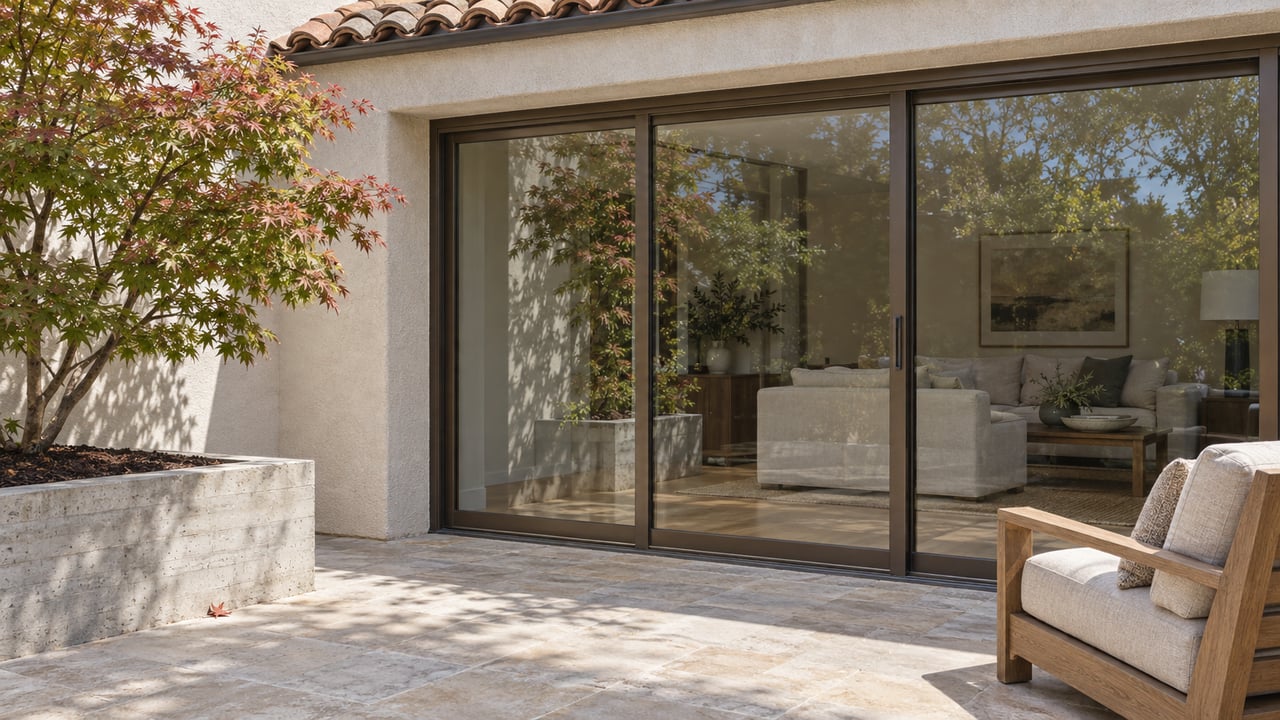
Outdoor living matters in Pleasanton because the housing stock is heavily weighted toward single-family homes. Buyers are not always looking for a resort-style backyard, but they do respond well to outdoor areas that feel clean, usable, and easy to enjoy.
The data supports this approach. In the Pacific region, a wood deck addition recouped 111.1% of cost, while a composite deck addition recouped 87.6%. NAR also found that outdoor projects carry a high Joy Score of 9.7.
Aim for usability, not excess
For resale, the goal is not to build the most elaborate backyard on the block. It is to help buyers picture how they would use the space.
Simple improvements often do that better than expensive custom features. A tidy yard, defined seating area, and working lighting can go a long way in photos and showings.
Outdoor updates that support resale
Practical outdoor improvements may include:
- Pressure washing patios and walkways
- Refreshing mulch and planting beds
- Repairing cracked or uneven hardscape where practical
- Creating a simple seating or conversation zone
- Updating exterior light fixtures
- Cleaning fences and gates
- Trimming trees and shrubs for a neater look
These upgrades help your backyard read as functional and low-stress, which is often exactly what buyers want.
Avoid over-improving before you sell
One of the biggest mistakes sellers make is spending too much on the wrong projects. Bigger renovations are not automatically better, especially when the resale data shows weaker returns for certain major jobs.
For example, Pacific-region figures show a midrange bathroom addition recouping 47.4% of cost, and major kitchen remodels trailing far behind minor kitchen updates. That is why a targeted strategy usually beats a broad renovation push.
Skip highly custom choices
Before listing, it is usually wiser to avoid projects that are expensive, highly personal, or difficult to finish quickly. Custom luxury upgrades may suit long-term enjoyment, but they do not always translate into stronger resale value.
In most cases, buyers respond better to finishes that feel clean, neutral, and easy to live with. This creates wider appeal and helps your home feel move-in ready.
Follow the right update sequence
If you are deciding where to start, keep your planning simple. The strongest seller strategy in Pleasanton is usually to tackle the most obvious issues first, then spend where buyers will notice the difference most.
A smart sequence often looks like this:
- Repair visible defects and deferred maintenance
- Refresh paint, lighting, and worn finishes
- Improve curb appeal for better first impressions
- Update the kitchen lightly if it feels dated
- Enhance outdoor usability with practical cleanup and styling
This approach helps you protect your budget while still making your home feel polished and competitive.
Check permit needs before major work
If your project goes beyond cosmetic refreshes, be careful. The City of Pleasanton directs homeowners to confirm permit requirements before they alter, fill, re-grade, or build on any part of their property or within an easement or right-of-way.
That means larger exterior changes, construction work, or site modifications should be reviewed before you begin. If you are preparing to sell on a timeline, avoiding permit surprises can save you time, money, and stress.
The bottom line for Pleasanton sellers
In Pleasanton, the most effective pre-sale updates are usually not the biggest ones. They are the improvements buyers notice immediately: strong curb appeal, a clean and current kitchen, solid overall condition, and outdoor spaces that feel easy to enjoy.
When you focus on visible, move-in-ready improvements instead of costly custom overhauls, you give your home a better chance to photograph well, show well, and compete for strong offers. If you want a tailored plan based on your home’s condition, target buyer, and likely return on investment, Sanjay Mitra can help you map out the right pre-sale strategy.
FAQs
What home updates matter most before selling in Pleasanton?
- The strongest priorities are usually curb appeal, visible repairs, a light kitchen refresh, and practical outdoor improvements that make the home feel move-in ready.
Should you remodel the kitchen before selling a Pleasanton home?
- In many cases, a minor kitchen refresh makes more sense than a full remodel because Pacific-region data shows much stronger cost recoup for minor kitchen projects than major ones.
Are outdoor improvements worth it for Pleasanton sellers?
- Yes, modest outdoor improvements can help because Pleasanton has a large share of single-family homes, and buyers often respond well to usable, well-maintained outdoor space.
Which pre-sale projects should Pleasanton sellers avoid?
- It is usually smart to avoid expensive, highly customized renovations or large additions that do not clearly align with likely buyer expectations or resale return.
Do you need permits for pre-sale home updates in Pleasanton?
- Cosmetic work may be simpler, but the City of Pleasanton says homeowners should confirm permit requirements before altering, filling, re-grading, or building on property or within an easement or right-of-way.