Thinking about fixing up your Fremont home before selling, or listing it as-is and moving on? You are not alone. In a high-value, low-inventory market like Fremont, even small changes in condition can shift buyer interest and your final net. In this guide, you will get a clear, step-by-step framework built for Fremont sellers, including local cost ranges, ROI signals, permit must-knows, and a simple way to compare net proceeds. Let’s dive in.
Fremont market snapshot
Fremont single-family homes are trading in a high price band, with recent city data showing a median sale price around $1.5 million as of early 2026. You can review current figures on the Redfin Fremont market page for the latest snapshot of pricing and days on market. See the Fremont market overview.
Neighborhoods perform differently. Mission San Jose often commands a premium and can move faster than other areas, so always compare like-for-like. Check Mission San Jose neighborhood data to understand how condition and location interact. Buyer pools are selective at these price points, and photos plus first impressions carry real weight. For broader context, you can also view Fremont’s city overview to see how demand trends affect listing strategy.
Quick triage: what does your home need?
Start with a 2 to 4 hour walk-through and classify needs:
- Cosmetic: paint, lighting, hardware, flooring, landscaping, curb appeal.
- Systems: roof, HVAC, water heater, electrical panel. Safety and code items take priority.
- Kitchens and baths: minor refresh or full gut. Minor updates often win on ROI.
- Structural or additions: walls moved, ADU, or square footage adds. These require deeper analysis and permitting.
If your home is mostly dated cosmetically but solid otherwise, targeted refreshes tend to be the best use of time and money. If you have significant system or code issues, fix essentials first or weigh selling as-is if the timeline or budget will stretch.
High-ROI updates to consider
The Cost vs. Value report for the Pacific and San Francisco region is a strong proxy for Fremont. It tracks job costs and typical resale value gained. In high-priced coastal markets, several small projects often recoup most or all of their cost. Review the Pacific data here: 2025 Cost vs. Value, San Francisco sample.
| Project | Typical local scope and notes | Bay Area cost signals | ROI signal (Pacific CVV) | Typical timeline |
|---|---|---|---|---|
| Garage door replacement | New, modern insulated door | Low five figures or less | Very strong percentage recoup | Days to 1 week |
| Steel or quality entry door | Security and curb appeal boost | Low overall cost | Strong percentage recoup | 1 day to a few days |
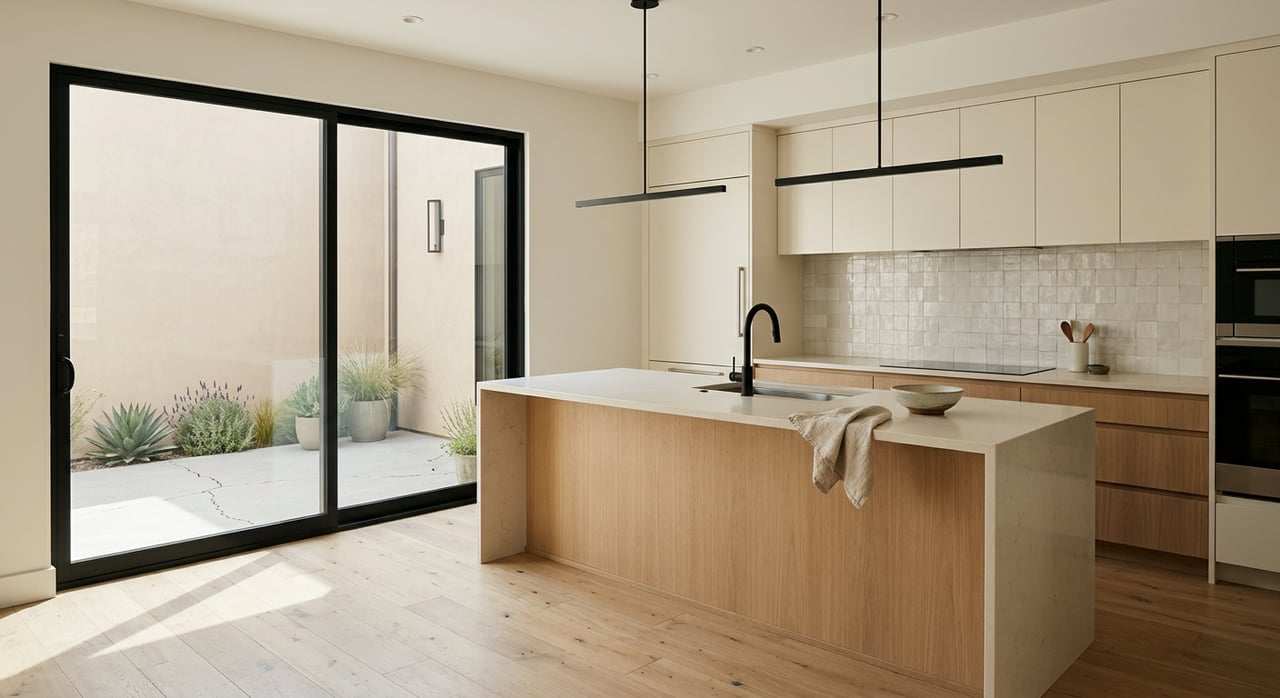
| Minor kitchen refresh | Cabinet paint or refacing, counters, midrange appliances, lighting | About 28k to 32k per CVV | Often 100%+ recoup in 2025 Pacific data | 2 to 8 weeks total |
| Paint and curb appeal | Interior paint, light landscaping, hardware | Paint often 3k to 10k | High buyer impact per dollar | Days to 2 weeks |
Details to note:
- A minor midrange kitchen refresh in the San Francisco sample shows a job cost around 28k to 32k and a resale value recoup above 100 percent in 2025, which is why light, well-executed kitchen updates are common pre-sale. See the CVV Pacific numbers.
- Professional staging is a proven multiplier. In NAR’s 2025 Profile of Home Staging, the median spend is about 1,500 dollars for sellers who hire a stager, and 29 percent of agents reported a 1 to 10 percent increase in offers from staging. Review the NAR staging report.
Projects to pause or right-size
- Full gut kitchens, luxury finishes, and large additions can raise value but often recoup a smaller percentage of cost compared to lighter updates, even when the dollar increase is big. Use neighborhood comps to justify scope. Check CVV project recoup rates.
- ADUs and major additions require more planning and permitting and can add months. They can make sense if square footage clearly moves your home into a higher price band, but confirm appraisal ceilings first and factor timing risks.
- If you need to close in 30 to 45 days, significant renovations are usually impractical. Plan and permit phases can add 4 to 12 weeks before work even starts. See Bay Area timing guidance.
Your Fremont decision framework
Use these steps to move from “should we renovate?” to a confident plan.
1) Triage the house
- Identify quick wins versus must-fix issues. Cosmetic refreshes typically yield strong returns if systems are in good shape.
- If there are major system or code items, address safety first or consider an as-is sale to avoid scope creep and delays.
2) Pull two sets of neighborhood comps
- Ask your listing agent for recent sales of similar homes sold as-is and similar homes sold move-in ready in the same neighborhood.
- If renovated comps are 3 to 5 percent or more above as-is comps for the same footprint, that supports targeted updates. Mission San Jose often trades at a premium, so compare within your micro-area. Check an MSJ data point.
3) Run a quick ROI screen
- Use Cost vs. Value figures as a proxy. If a project typically recoups near or above 100 percent in the Pacific data, it is a strong candidate. Examples include minor kitchen refresh, garage door, and entry door. Scan the 2025 CVV table.
4) Get three written, licensed bids
- Verify each contractor’s CSLB license, bond, and insurance. California requires a license for any job 500 dollars or more.
- Limit down payment to 1,000 dollars or 10 percent of the contract, whichever is lower. Require a written contract with scope, payment schedule, start and completion dates, and lien release terms. See CSLB consumer guidance and license verification.
5) Compare net if renovate vs net as-is
Use a simple worksheet:
- Net if renovate = Expected renovated sale price minus (renovation cost + staging + extra holding costs + selling costs).
- Net as-is = Expected as-is sale price minus selling costs.
Illustrative numbers:
- Baseline Fremont example price: 1,500,000 dollars. Reference the city median.
- Minor midrange kitchen refresh: about 31,800 dollars cost, with roughly 35,750 dollars resale value lift in the Pacific sample. See the CVV figures.
- Staging: about 1,500 dollars median. NAR staging report.
That example yields a gross positive delta near 3,950 dollars before selling costs and carrying. The true advantage depends on your commission, timeline, and whether the refresh speeds up offers.
6) When selling as-is to a cash buyer fits
- If you face a tight deadline, significant structural issues, or want maximum certainty with minimal coordination, an as-is cash sale can be appropriate. Expect a discount to likely MLS value. Industry reporting on iBuyer style options shows sellers often net several percent below market. Compare multiple cash offers side by side with an MLS projection. Read a background explainer.
7) Execution plan if you renovate
Prioritize in this order:
- High-visibility, low-cost wins: paint, deep clean, lighting, landscaping, garage and front door.
- Kitchen and bath light refresh if comps support a higher price or faster sale.
- Major changes only with confirmed permits, timelines, and a clear appraisal ceiling.
Build in a 10 to 20 percent contingency for both budget and time. Prefer bids that include permit pulls and inspections.
Bay Area timelines and cost reality
Here are working ranges to help you plan, noting that contractor schedules and materials lead times vary:
- Minor kitchen refresh: about 28k to 32k per CVV for a midrange scope, with 2 to 8 weeks of active time depending on trades and materials. CVV Pacific reference.
- Full kitchen remodel: about 60k to 200k plus in Bay Area mid to high-end scenarios, with 8 to 16 weeks or more. Bay Area remodel cost guide.
- Midrange bathroom remodel: about 10k to 40k and 2 to 6 weeks. Cost range reference.
- Interior paint: about 3k to 10k and 1 to 2 weeks. Bay Area cost guide.
- Flooring: about 5k to 25k and roughly 1 to 2 weeks depending on product and curing. Bay Area cost guide.
- Permits and plan checks: often 4 to 12 weeks for review on more complex scopes, with some express options for routine items. Bay Area timing overview and Fremont’s online submittal note.
Permits, licensing, and protection checklist
Protect your sale and avoid delays by following California rules:
- Verify CSLB license for any job 500 dollars or more. Confirm insurance and bond. Check CSLB.
- Keep the down payment at 1,000 dollars or 10 percent of the contract, whichever is less. Use progress payments tied to milestones and inspections. CSLB contract rules.
- Get a written contract with scope, payment schedule, start and finish dates, change-order process, and final unconditional lien releases.
- Confirm who will pull permits and include permit fees in the bid. Ask about inspection timing and whether your scope fits any Fremont express permit pathways. Fremont’s online permit access.
Your action plan
- Walk the property and list cosmetic, system, and layout items.
- Get two sets of comps, as-is and renovated, within your immediate neighborhood.
- Shortlist projects that CVV shows near 100 percent recoup or better in the Pacific region.
- Collect three licensed bids with clear timelines and permit plans.
- Run the net-proceeds comparison, including staging and holding costs.
- If renovating, start with paint, curb appeal, lighting, and a minor kitchen refresh if supported by comps. Stage before photos and launch.
If you want a single partner to drive this from scope to finish, including staging and premium marketing, connect with Sanjay Mitra for a tailored plan that protects your time and maximizes your net.
FAQs
Should I renovate before selling my Fremont home?
- If your home is structurally sound and mostly dated cosmetically, targeted updates like paint, lighting, curb appeal, and a minor kitchen refresh often deliver strong returns in the Pacific Cost vs. Value data. Always check neighborhood comps first.
What are the fastest, highest-impact pre-sale updates?
- Interior paint, landscaping and curb appeal, new garage and entry doors, and a light kitchen refresh typically offer quick timelines with strong buyer impact, supported by Cost vs. Value trends in the Pacific region.
How much does staging cost and does it help?
- NAR’s 2025 staging report shows a median professional spend near 1,500 dollars and that 29 percent of agents saw a 1 to 10 percent increase in offer prices from staging, which is why it is a first-line prep step.
Do I need permits for pre-sale work in Fremont?
- Many cosmetic updates do not need permits, but any structural, plumbing, electrical, or layout changes typically do and will go through plan review and inspections. Use Fremont’s online access to see submittal paths and express options for routine items.
How long does a minor kitchen refresh take in the Bay Area?
- Plan for 2 to 8 weeks of active work depending on scope and lead times, with total costs around 28k to 32k in the CVV Pacific sample.
When is selling as-is to a cash buyer smarter?
- Consider it when timelines are tight, costly repairs are needed, or you want maximum certainty. Expect a discount to probable MLS value and compare multiple cash offers to your projected MLS net before deciding.