If you are getting ready to sell a luxury home in Fremont, the wrong renovation can cost you time, money, and buyer interest. You want updates that make your home look current, feel well cared for, and hold up under inspection, appraisal, and financing review. The good news is that a smart pre-sale plan does not have to mean a full remodel. It means choosing the right work in the right order for your price point and timeline. Let’s dive in.
Why renovation strategy matters in Fremont
Fremont remains a high-priced and competitive seller market, but that does not mean every improvement will pay off. In March 2026, Redfin reported a median sale price of $1,503,250, about 5 offers per home, 13 median days on market, and a 104.2% sale-to-list ratio.
That kind of market can reward preparation, especially in the luxury segment where buyers expect a polished presentation. At the same time, the East Bay is not moving as one uniform market. Research shows Oakland was described as balanced in March 2026, Hayward as a seller’s market, and Berkeley as competitive but improving as inventory rose.
The takeaway is simple: your renovation plan should be based on Fremont comps and your immediate submarket, not on a broad Bay Area average. Luxury buyers compare your home to nearby alternatives, and your updates should support that comparison.
Start with buyer friction points
Before you think about finishes, start with the items that could disrupt a sale. Zillow’s 2025 seller survey found that 64% of sellers chose an offer with an inspection contingency, 59% with a financing contingency, and 53% with a minimum appraisal contingency.
Among California sellers who had at least one offer fall through, 47% said homeowner’s insurance was a reason. That is a strong signal for Fremont sellers. If your home has roof issues, an outdated electrical panel, HVAC problems, water intrusion, permit questions, or other visible defects, those repairs often deserve priority over cosmetic upgrades.
For a luxury listing, the best pre-sale project is often the one that makes the home easier to finance, insure, and evaluate. Buyers may forgive dated style more easily than uncertainty about condition.
Focus on high-impact updates
The strongest resale evidence favors visible, broad-appeal exterior work. Zonda’s 2025 Cost vs. Value report found that 8 of the top 10 ROI projects were exterior replacements, with garage doors, steel entry doors, manufactured stone veneer, and siding near the top.
That same report noted that the Pacific region had the highest average return, and the top three projects delivered average values that were more than double their costs. For Fremont luxury homes, that supports a practical strategy: improve curb appeal first, then refresh key interior spaces without overbuilding.
Exterior updates that support value
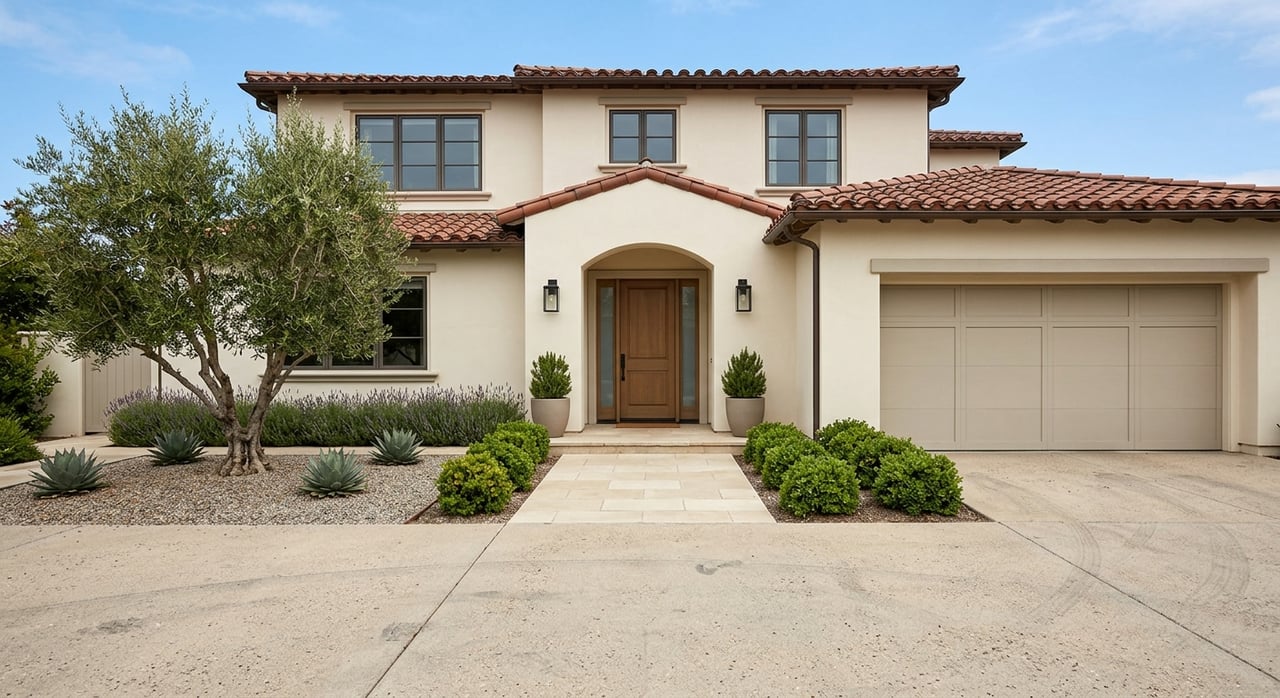
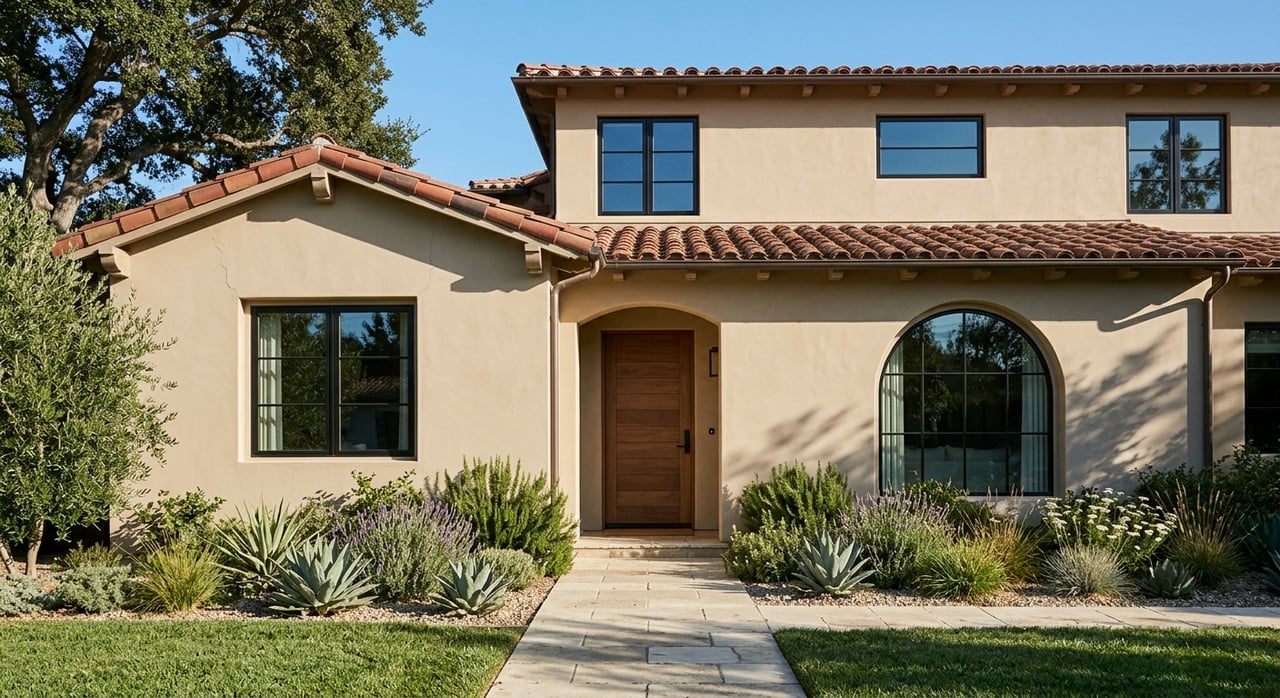
Exterior work can shape buyer perception before they walk through the front door. If your home’s outside appearance feels crisp and current, buyers are more likely to assume the rest of the property has been maintained with similar care.
Helpful exterior improvements may include:
- Replacing an aging garage door
- Updating the front entry door
- Refreshing exterior paint where needed
- Improving landscaping for a neat, finished look
- Addressing visible siding or trim wear
- Repairing roofing issues before listing
For luxury properties, presentation matters, but so does restraint. Clean lines, strong maintenance, and an elevated first impression often outperform flashy upgrades that do not fit the home or neighborhood context.
Interior updates buyers notice
Inside the home, the safest approach is usually a refresh rather than a custom redesign. Zonda’s report found that a minor kitchen remodel was a notable interior exception, while larger kitchen, bath, and addition projects often returned less because specific finishes appealed to a narrower buyer pool.
In practice, that means many Fremont sellers are better served by updates such as:
- Interior paint in neutral tones
- Updated cabinet hardware
- Refreshed lighting
- Clean, simple bathroom updates
- Flooring improvements where wear is obvious
- Surface-level kitchen improvements rather than a full custom overhaul
Zillow’s 2024 seller survey also shows how common these choices are. Among sellers who made improvements, popular projects included interior paint, bathroom work, kitchen work, landscaping, flooring, and exterior paint.
Avoid over-improving a luxury home
Luxury homeowners sometimes assume that a bigger remodel will always lead to a bigger sale price. The data suggests a more careful approach. The 2025 Cost vs. Value report warns that complex, highly personalized projects usually produce lower resale return.
That matters in Fremont, where buyers at the upper end still want move-in readiness, but may not want to pay a premium for someone else’s very specific taste. A restrained kitchen or bath refresh often has broader appeal than a fully bespoke redesign.
The same caution applies to discretionary upgrades that add cost without broad demand. The report specifically noted that solar panels were among the weakest resale performers nationally among the new projects it tracked.
If your goal is maximizing net proceeds, ask a simple question before approving any project: will this help more buyers say yes, or will it only impress a few? The first kind of project usually deserves the budget.
Plan around Fremont permits and timing
Even straightforward improvements can affect your listing timeline. Fremont is operating under the 2025 California Building Standards Code, effective January 1, 2026, and the city allows express permits only for limited-scope projects.
Those limited projects include things like like-for-like kitchen and bath remodels, window replacement without framing changes, same-location HVAC and plumbing replacements, reroofing, and certain electrical work. Projects outside those limits generally require a full building permit.
Fremont also offers an Appointment Plan Check pilot for limited residential permit requests. Eligible projects include some single-family additions, kitchen and bathroom alterations, accessory structures, JADUs, and pre-approved ADUs. When a project qualifies, the city’s goal is to issue the permit at the end of the virtual appointment.
That can help compress timelines for the right scope, but it is not a shortcut for structural or site-complex work. If your project involves major changes, plan for a longer review process.
Build in inspection time
Every Fremont permit requires an inspection to close out the record. The city says inspections can be scheduled online or by phone 24/7, and next-day inspections must be requested by 2:00 p.m. on the business day before.
For sellers, this means cosmetic scope alone is not the full timeline. You need enough calendar room for permit issuance, the work itself, required inspections, and any corrections that come up on the punch list.
If you are targeting a spring or early summer listing window, backing into the schedule early is important. Zillow’s 2025 seller survey found that the median seller spent 3 to 4 months seriously thinking about selling before listing. That planning window lines up well with a disciplined pre-sale renovation process.
Be careful with older homes
Older Fremont homes may need added review. The city requires a historic evaluation before demolition, relocation, or exterior modifications on properties that are 50 years old or older.
There is also a utility-related detail sellers should not miss. Fremont’s permit rules note that sewer line cleanout or replacement beyond two feet from the building footprint is handled by the Union Sanitary District, not the city.
These are the kinds of details that can slow a project if they are discovered too late. For a high-value home, it pays to confirm the permit path before work begins.
Keep documentation from day one
Good renovation planning is not just about construction. It is also about disclosure. California disclosure rules are broad, and the Department of Real Estate says sellers must disclose the physical condition of the property, hazards or defects, and other factors that may materially affect value or desirability.
That means buyers may care not only about what you fixed, but also how you fixed it, who performed the work, and whether permits were obtained when required. Clean records can reduce questions later in escrow.
AB 968 adds another important rule for single-family homes sold within 18 months of title transfer. Sellers must disclose contractor-performed additions, structural modifications, alterations, or repairs, identify the contractors, and provide permits if they were obtained.
For anyone planning pre-sale work, this makes documentation part of the project itself. Keep these items organized from the start:
- Contractor names and license details
- Written bids and signed contracts
- Permit records
- Inspection sign-offs
- Invoices and proof of payment
- Product warranties and manuals
A tidy paper trail supports transparency and can help your home feel lower risk to buyers.
Hire contractors with discipline
On luxury homes, mistakes are expensive. California contractor rules support a conservative process. The Contractors State License Board says permit-required work or projects at $1,000 or more generally require licensed contractors.
CSLB also says contractor advertisements must include the state license number, and homeowners should verify license status, compare at least three written bids, and confirm insurance coverage in the written contract. These basics matter on any sale, but they are especially important when you are preparing a multimillion-dollar asset for market.
A contractor who is inexpensive but poorly documented can create bigger problems than they solve. In a pre-sale setting, reliability, licensing, and clear records are often worth more than the lowest bid.
A practical pre-sale renovation sequence
When sellers feel overwhelmed, the process becomes easier if you break it into steps. Based on Fremont’s permit process, California disclosure duties, and the sale risks tied to inspection, financing, and appraisal, a practical sequence looks like this:
- Inspect the home and identify likely buyer concerns.
- Define the scope based on probable resale value, not personal preference.
- Confirm whether the work qualifies for express permit, appointment plan check, or full review.
- Gather bids from licensed contractors.
- Complete the renovation work.
- Finish required city inspections and close out permits.
- Assemble your disclosure package before marketing begins.
- Stage and launch the home with a clear pricing and presentation strategy.
This order helps you avoid a common mistake: spending money on visible upgrades while leaving behind issues that can derail escrow.
Why concierge guidance can matter
Selling a luxury home is rarely just about choosing paint colors or replacing fixtures. It is about sequencing work, protecting your timeline, and making decisions that support your final net.
That is where construction fluency can make a real difference. When your real estate strategy is informed by renovation experience, you are better positioned to separate high-value work from low-return distractions.
For Fremont sellers, that can mean a cleaner prep process, a more polished launch, and fewer surprises once offers start coming in. In a market where presentation and confidence both influence outcomes, the right plan can pay off.
If you are weighing which updates are worth doing before you list, Sanjay Mitra can help you build a practical, market-aligned plan for your Fremont luxury home.
FAQs
What renovations matter most before selling a Fremont luxury home?
- The highest-priority renovations are usually the ones that reduce buyer concerns about condition, financing, insurance, and appraisal, such as roof, electrical, HVAC, water intrusion, and permit-related issues.
Should you fully remodel a kitchen before listing a luxury home in Fremont?
- Usually, a minor kitchen refresh with neutral, broad-appeal updates is safer than a full custom remodel, which can cost more and appeal to a narrower group of buyers.
Do Fremont pre-sale renovations need permits?
- Some do. Fremont offers express permits for limited-scope work such as like-for-like kitchen and bath remodels, certain window replacements, reroofing, and some mechanical, plumbing, and electrical replacements, while other projects need full permit review.
How long should you plan for pre-sale renovations in Fremont?
- You should allow time for scoping, bidding, permit review if needed, construction, inspections, and any final corrections, since every Fremont permit requires an inspection to close out the record.
What documents should you keep for pre-sale renovation work in California?
- Keep bids, contracts, contractor information, permits, inspection sign-offs, invoices, and warranties, since renovation records can become important during seller disclosures.
How do you avoid over-improving a Fremont luxury home before sale?
- Focus on broad-appeal, high-visibility, and condition-related improvements rather than highly personalized or unusually complex upgrades that may not add enough resale value.