Looking for a fixer in the East Bay that still offers room to create upside? Hayward deserves a close look. If you want a property where smart renovation, better layout use, or an added unit could improve long-term value, Hayward stands out because prices, rents, and housing stock create a middle-ground opportunity between Oakland and Berkeley. Let’s dive in.
Why Hayward Works for Value-Add Buyers
Hayward sits in an interesting position in the East Bay. As of Zillow’s February 28, 2026 snapshot, the city’s average home value is $837,466 and average rent is $2,566, placing it above Oakland on home values but below Berkeley, while still offering a meaningful rent benchmark for underwriting. That middle position can matter if you are trying to buy below the top tier of East Bay pricing while still targeting a market with solid demand.
Competition is real, though. According to Redfin market data referenced in Zillow’s Hayward market page, homes in Hayward are very competitive, typically receive about four offers, and sell in around 15 days, with a median sale price of $865,000 in February 2026. In other words, value-add deals are possible here, but they usually reward buyers who can move quickly and evaluate renovation potential with discipline.
What Value-Add Means in Hayward
In Hayward, value-add often starts with older homes that need updating, not necessarily full teardown projects. The city’s housing plan notes that much of the local housing stock is more than 30 years old, which naturally creates opportunities for buyers willing to improve condition, function, or legal use.
The same housing plan highlights areas with higher concentrations of older single-family housing stock, including North Hayward, Downtown, Upper B Street, Mission Foothill, Mt Eden, Southgate, Longwood/Winton Grove, Whitman Mocine, Harder/Tennyson, Jackson Triangle, Santa Clara, and Mission Garin. That does not make every property in these areas a deal, but it does make them practical places to search for homes with deferred maintenance, dated interiors, or underused lots.
Focus on Older Single-Family Homes
For many buyers, the most realistic value-add play is a structurally sound house with cosmetic or mechanical shortcomings. Hayward’s housing plan specifically notes that older homes may need anything from minor rehabilitation to larger repairs involving plumbing, roofing, foundations, and other systems. It also notes that some older homes may involve lead paint or asbestos concerns.
That is why the best opportunities are often not the cheapest properties on paper. Instead, you may find more value in a home with a workable floor plan, solid structure, and clear improvement path, where updates can be phased and the final product is easier to predict.
What to screen for first
When you tour an older Hayward home, focus on items that affect budget, timeline, and permit risk:
- Roof age and visible water intrusion
- Signs of foundation movement or drainage issues
- Outdated plumbing or electrical systems
- Functional but dated kitchens and baths
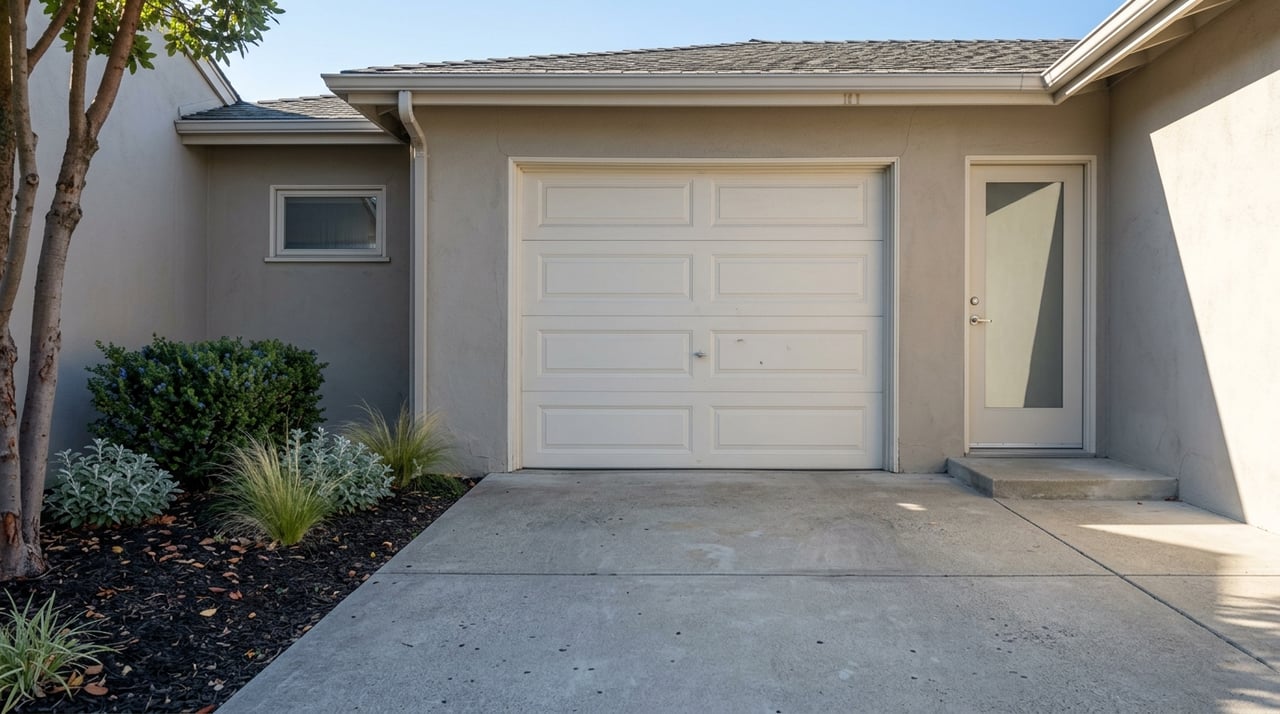
- Garage or backyard structures with possible conversion potential
- Lot layout that may support an ADU, JADU, or SB 9 review
If you can separate fixable condition issues from deal-breaking structural or legal problems, you will underwrite opportunities more clearly.
ADUs and JADUs Can Change the Math
Accessory units are one of the strongest value-add angles in Hayward. The city defines an ADU as a complete independent dwelling unit and a JADU as a semi-independent unit of no more than 500 square feet created within part of an existing or proposed single-family home. According to Hayward’s ADU and JADU guidance, ADUs are permitted ministerially in zoning districts that allow residential use, and JADUs require owner occupancy.
There is an important nuance here. Hayward also states that its local ADU ordinance has fallen behind changing state law, so the city defers to state law for ADU and JADU permitting. That means you should treat older online summaries with caution and cross-check current requirements before you buy.
Why buyers look for ADU candidates
An ADU or JADU can create flexibility in several ways:
- Additional living space for extended household use
- Potential rental income support
- Better use of an oversized lot or garage area
- Stronger long-term resale appeal for some buyers
For rental thinking, Zillow’s city-level data places Hayward’s average rent at $2,566, compared with $2,527 in Oakland and $3,073 in Berkeley. That does not mean any specific ADU will rent at that figure, but it gives you a reasonable local benchmark when you are testing scenarios.
Understand ADU Costs Before You Commit
The upside story only works if the costs remain realistic. Hayward’s ADU process handout says total fees generally range from $6,000 to more than $25,000, with garage conversions at the lower end and new detached ADUs at the higher end. The same document notes that ADUs of 750 square feet or more pay a park dedication fee and school fees of $4.79 per square foot.
Utility costs matter too. Hayward’s fee information includes a $5,295 sewer connection fee per ADU, effective September 1, 2025. On top of that, the city’s ADU page explains that applicants use the e-Permit portal, pay a plan review fee before review, and pay other permit fees when permits are ready to issue.
A practical Bay Area cost benchmark
Regional planning figures can help you frame rough expectations early. ABAG workshop materials put Bay Area ADU construction costs at roughly $400 to $550 per square foot, with conversions generally cheaper than ground-up detached units. The examples include:
- $150,000 to $190,000 for unfinished-space conversions
- $236,000 to $290,000 for garage conversions
- $270,000 to $340,000 for a 500-square-foot detached studio
These are Bay Area-wide benchmarks, not Hayward-specific bids. Still, they are very useful for filtering deals before you spend time chasing a property that only works on overly optimistic assumptions.
SB 9 and Lot Potential
Some Hayward properties may offer more than a simple remodel. The city’s housing plan says Hayward has already accepted SB 9 applications and expects to approve at least five per year for urban lot splits and duplexes during the current cycle. That does not mean every single-family parcel qualifies, but it does support screening larger or better-configured lots for added potential.
For buyers, this is where lot shape, access, setbacks, and existing improvements start to matter. A property may appear average at first glance, but if the parcel configuration supports a more flexible future use, that can add another layer to the investment thesis.
Don’t Ignore Unpermitted Unit Issues
Another overlooked value-add angle is legalization. Hayward offers an ADU Amnesty Program for unpermitted ADUs and JADUs built before January 1, 2020. The city says the amnesty permit is a flat $570, plus applicable administrative and state fees, and the unit must be brought into compliance with health and safety standards.
This can matter if you find a property with a garage conversion, backyard structure, or interior setup that looks like secondary living space but has unclear permit history. Sometimes the value is not in building new, but in cleaning up status, correcting deficiencies, and turning a gray area into something more usable and marketable.
How to Underwrite a Hayward Value-Add Deal
In a competitive market, a fast offer only helps if your numbers are grounded. Before you move forward, build your analysis around the spread between acquisition cost, renovation cost, permit and utility fees, carrying costs, and likely finished value or rental use.
A simple approach can help you stay disciplined:
- Start with the property’s current condition. Separate cosmetic work from system, structural, and legal issues.
- Check realistic use potential. Ask whether the deal is a remodel, an ADU play, a cleanup project, or a lot-potential property.
- Model local fees early. Hayward’s permit, sewer, and possible park or school fees can materially change returns.
- Use conservative rent assumptions. Treat city averages as broad benchmarks, not guarantees.
- Leave room for friction. Changing state rules, plan review, and construction surprises can affect both budget and timing.
This is where contractor-aware guidance can make a real difference. In a market like Hayward, it is easy to overpay for “potential” if the scope, code path, or lot constraints are not fully understood upfront.
What Strong Deals Usually Look Like
The best Hayward value-add homes often share a few characteristics. They are usually older single-family houses with decent bones, clear deferred maintenance, and enough lot or layout flexibility to support improvements that buyers can actually execute. They are not always the prettiest listings, but they are the ones where the path from current condition to improved value is visible.
In practical terms, that might mean a dated home with solid structure, a usable garage conversion path, or a parcel worth deeper ADU or SB 9 review. The opportunity is not just finding a discount. It is finding a property where your improvements still make sense after real permitting, utility, and construction costs are counted.
If you want to evaluate Hayward opportunities with a sharper eye for renovation scope, lot potential, and resale logic, working with Sanjay Mitra can help you move with more confidence in a fast East Bay market.
FAQs
What makes Hayward a good market for value-add investment homes?
- Hayward offers a middle-ground East Bay price point, competitive demand, older housing stock, and realistic opportunities in remodeling, ADUs, JADUs, lot potential, and permit cleanup.
What types of homes in Hayward fit a value-add strategy best?
- Older single-family homes with deferred maintenance, properties with garage or backyard conversion potential, and lots that may support ADU, JADU, or SB 9 review are the strongest candidates.
What should you know about ADU rules in Hayward before buying?
- Hayward allows ADUs and JADUs in residential areas, but the city also says it defers to current state law for ADU and JADU permitting, so buyers should verify requirements carefully before closing.
What do ADU fees and costs look like in Hayward?
- Hayward says ADU fees generally range from about $6,000 to over $25,000, and the city also lists a $5,295 sewer connection fee per ADU, with additional fees possible depending on size and project type.
Can unpermitted units create value-add opportunities in Hayward?
- Yes. Hayward’s ADU Amnesty Program may help with certain unpermitted ADUs and JADUs built before January 1, 2020, though the unit still must meet health and safety standards.
How competitive is the Hayward housing market for buyers seeking fixer homes?
- Hayward is very competitive, with homes receiving about four offers on average and selling in around 15 days, so buyers need a clear strategy and quick, informed decision-making.